
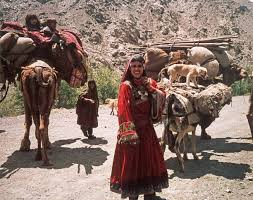
Culture That Lives in Daily Life
Afghan traditions are deeply shaped by religion, social values, and long-standing customs that are shared across many regions. For visitors and even locals, understanding these everyday practices makes Afghan society easier to understand and, honestly, more enjoyable. Sometimes these traditions are serious, sometimes they are warm, and sometimes they are quietly funny in a very Afghan way.
Greeting Everyone, Even Strangers
In Afghanistan, it is common to greet everyone in a room, even if they are complete strangers. Entering a room without greeting people is considered rude. A general greeting is enough, it is often just a very friendly hello “Salam” delivered with passion and no long conversation is required. This habit creates a sense of shared space and respect. It also explains why Afghan gatherings can feel very welcoming, even to first-time visitors.
Loud Greetings That Mean Warmth, Not Anger
Afghan greetings can be loud, enthusiastic, and full of energy. This does not mean people are angry. In fact, loud greetings usually show warmth, happiness, and excitement. Afghan people often greet each other loudly, especially when meeting after some time.
Handshakes, Hugs, and Friendly Cheek Kisses
Greetings between men usually begin with a handshake, followed by placing the right hand on the chest as a sign of respect. Between close male friends, greetings can include hugging and kissing on the cheeks, sometimes more than once. Some close friends even hold hands while walking, which simply shows friendship and trust.
Greetings between women are often warm as well, with cheek-to-cheek contact and smooching sounds, especially among close friends. However, handshakes between men and women are not appropriate and go against Afghan cultural values. Visitors should always wait for the local person to lead the greeting to avoid discomfort.
The Right Hand Rule You Should Never Forget
One detail that quietly carries a lot of meaning in Afghan daily life is the use of the right hand. Passing or receiving items, accepting food, handing over money, or even giving a business card should always be done with the right hand. Using the lift hand—especially during meals—can feel disrespectful, even if no one openly says anything. When eating, food is scooped gently with the fingertips of the right hand and brought to the mouth. It is a simple habit, but getting it right shows cultural awareness instantly.
Avoiding Disrespectful Body Language
Pointing feet at people is considered very disrespectful in Afghanistan. Even when pointing at someone or handing something to another person, it is considered more polite and respectful to use the right hand with an open palm and all fingers extended, rather than pointing with with the finger.
Stretching out your legs toward someone’s face, or placing your feet near another person’s head while sleeping, is considered disrespectful.
Respectful Distance Between Men and Women
Afghan society values modesty and respectful distance between men and women. Men usually avoid casual talk with women who are strangers. This is not disrespect; it is respect expressed through boundaries. In fact, even very close male friends often do not know the names of each other’s wives and never meet them. Privacy is deeply valued, and these unspoken rules help maintain social harmony.
Public Manners Between Men and Women
Social boundaries between men and women are taken very seriously in public spaces. Men are expected to avoid casual conversation with women they do not know, limit eye contact, and never initiate physical contact. Instead of offering a handshake, a respectful gesture is placing the right hand over the heart with a slight nod or bow. This silent greeting communicates politeness without crossing cultural lines—and it is often appreciated far more than spoken words.
Sitting, Eating, and Living on the Floor
Sitting on the floor is very common in Afghan homes. People often sit, eat, and even sleep on the floor. Meals are usually shared from one large dish or plate. People eat most foods using their hands rather than spoons or forks. This shared style of eating strengthens bonds and creates a feeling of equality and closeness.
Where You Sit Matters More Than You Think
Seating arrangements are very important in Afghan culture. Guests are always seated in the best place, and the best place is usually the higher or upper part of a room. Sitting higher shows respect and honor. Elders are also given the best seats, and younger people avoid sitting higher than them. Giving seats to elders is not optional—it is expected. If someone accidentally sits in the wrong place, it can be corrected politely, often with a smile and a quiet gesture.
Respect for Elders: Standing, Waiting, and Making Space
Respect for elders is one of the strongest shared values among Afghan people. When elders enter a room, people usually stand up to greet them. On roads or pathways, younger people give way to elders. During meals, everyone waits for elders to start eating first. These actions are not forced or uncomfortable; they are done naturally and proudly. Avoiding sitting higher than elders is another sign of respect that is quietly observed but deeply meaningful.
Food Etiquette: From “Bismillah” to “Alhamdulillah”
Before eating, people usually say “Bismillah,” meaning they begin the meal in the name of God. After finishing, they say “Alhamdulillah” to express gratitude. Waiting for elders to start eating is important. After the meal, people often pray for the host to show appreciation. These practices turn eating into a respectful and meaningful social act, not just a physical need.
The Famous Argument Over the Bill
One of the most common and surprisingly energetic traditions happens at the end of a meal in a restaurant. When the bill arrives, Afghan people often argue—not because they are angry, but because everyone wants to pay. Friends, relatives, and even guests may insist loudly that they should cover the bill. This argument can go on for several minutes and may look dramatic to outsiders, but it is actually a sign of generosity and respect. Winning the argument is considered an honor. Losing the argument is also an honor, but people will still try harder next time.
Bread Is Never Just Bread
Bread holds a special place in Afghan culture. If bread falls on the ground, people pick it up and kiss it before placing it somewhere clean. Wasting bread is considered very bad. This tradition shows respect for food and the effort behind it. Even children are taught to treat bread carefully, making this practice widely shared and deeply respected.
Let the Host Lead the Way
When visiting an Afghan home, guests are not expected to explore freely. Instead, it is polite to wait until the host shows you where to sit and where to go. Walking ahead or choosing your own seat can feel awkward. Being guided is not about control—it is about care and proper hosting.
Walking carpets with shoes
When entering a sacred place, you are expected to remove your shoes. This includes shrines, tombs, and mosques … Homes are also considered sacred place. Since houses are usually covered with carpets, walking on them with shoes is considered disrespectful.
Hosts Who Walk You to the Door
When guests leave, Afghan hosts usually walk them to the door or even outside. This gesture shows respect and care. Letting a guest leave alone without guidance can feel impolite. Even if the guest insists, the host will often walk a few steps anyway, just to show proper manners.
Modest Dress and Public Behavior
Modest clothing is important in Afghanistan. Men are advised not to wear shorts in public, as it attracts a lot of attention. Many visitors find local Afghan clothes comfortable and suitable. Women tourists are strongly advised to wear an abaya or hijab to respect local customs and avoid unwanted attention. Dressing modestly helps visitors blend in and feel more comfortable.
Religion as Part of Daily Life
Islam plays a central role in Afghan life. Respecting prayer times, religious places, and Islamic values is essential. During Ramadan, eating or drinking in public during fasting hours should be avoided. Religion is not separate from daily life; it is woven into routines, language, and social behavior.
Offering Once Is Never Enough
Politeness in Afghanistan is rarely straightforward. Whether you are offering food, help, or a favor, saying it once is almost never sufficient. If you offer something only a single time, the response will often be a polite refusal, even if the person actually wants to accept. The expectation is to offer again—and sometimes again after that. This back-and-forth is not dishonesty; it is a shared social dance built on modesty.
Hospitality: Saying No Until You Mean Yes
Hospitality is one of the strongest traditions in Afghanistan. Guests are treated with great honor and generosity. Locals often invite visitors for tea or food. Politely refusing once or twice is acceptable, but repeated invitations show sincerity. Traditionally, accepting the invitation after the third or fourth offer is the polite thing to do. This ritual of inviting and refusing is part of Afghan social communication—and yes, it sometimes feels like a polite game that everyone understands.
Compliments Can Accidentally Become Gifts
Complimenting an object inside someone’s home can have unexpected consequences. If you praise something too openly—a carpet, a decoration, or even a small item—the host may feel obligated to offer it to you as a gift. This generosity comes from politeness, not from a desire to give it away. If this happens, the polite response is to gently refuse while expressing appreciation for the gesture. Accepting such an offer may leave the host quietly unhappy, even though they will never show it.
Money, Tipping, and Quiet Generosity
Tipping is not a strong tradition in Afghanistan, but small tips are appreciated in services like hotels or transportation. People who work in the tourism industry usually expect tips from international travelers. There is no fixed rule, and tipping should be done respectfully and without showing off. Generosity is valued, but modesty is valued even more.
Gift-Giving Without the Spotlight
Giving gifts is appreciated, but subtlety matters. Walking in and immediately presenting a gift can feel overly direct and may pressure the host to open it on the spot. A more culturally comfortable approach is to place the gift quietly near the door or on a table as you sit down. This allows the host to acknowledge it without turning it into a formal moment, preserving everyone’s comfort and dignity.
Afghan traditions may seem strict or complex at first, but they are built on respect, generosity, and community. From arguing over a restaurant bill to kissing fallen bread, these customs reflect shared values rather than rules. They guide daily behavior and create strong social connections. Understanding these traditions helps visitors feel more comfortable and helps locals feel respected. Afghan culture is serious about respect—but it also knows how to be warm, welcoming, and quietly humorous at the same time.
Let’s Go Afghanistan Team